

Are you tired of feeling bloated and uncomfortable after meals? Could your digestive health be the key to unlocking a happier, healthier you?
Digestive health plays a crucial role in our overall well-being, affecting everything from energy levels to mood. Fortunately, there are effective digestive health tips that can help you achieve a balanced gut without relying on medication.
By incorporating simple changes into your daily routine, you can start to improve your digestion and enjoy a better quality of life. This guide will walk you through the natural ways to improve digestion, providing you with practical advice to get started.
Key Takeaways
Table of Contents
- Understand the importance of digestive health
- Learn simple dietary changes to support gut health
- Discover stress management techniques for a healthy gut
- Explore the role of probiotics in digestion
- Find out how to incorporate physical activity for better digestion
Understanding Your Digestive System
Understanding how your digestive system works is the first step towards improving it. The digestive system is a complex process that involves the breakdown and absorption of nutrients from the food we eat.
A healthy digestive system is essential for overall health, as it provides the body with the necessary nutrients, vitamins, and minerals to function properly. When the digestive system is not functioning correctly, it can lead to various health issues.
Common Digestive Issues and Their Causes
Many people experience digestive issues at some point in their lives. Common problems include bloating, constipation, diarrhea, and irritable bowel syndrome (IBS). These issues can be caused by a variety of factors, including a poor diet, stress, and lack of physical activity.
Poor diet is a significant contributor to digestive problems. Consuming foods high in processed ingredients, sugar, and unhealthy fats can disrupt the balance of gut bacteria, leading to digestive issues. On the other hand, incorporating gut-friendly foods such as yogurt, leafy greens, and whole grains can help maintain a healthy gut.
Signs of Poor Digestion
Recognizing the signs of poor digestion is crucial for taking corrective action. Common signs include persistent bloating, abdominal pain, and changes in bowel movements. If you experience any of these symptoms regularly, it may be a sign that your digestive system needs attention.
Incorporating holistic digestion remedies such as herbal teas, probiotics, and dietary changes can help alleviate these symptoms and improve overall digestive health.
Natural Ways to Improve Digestion
To enhance your digestive health, it’s essential to understand the natural ways to support your digestive system. By incorporating specific dietary changes and habits, you can significantly improve your digestion and overall well-being.
Fiber-Rich Foods for Better Digestion
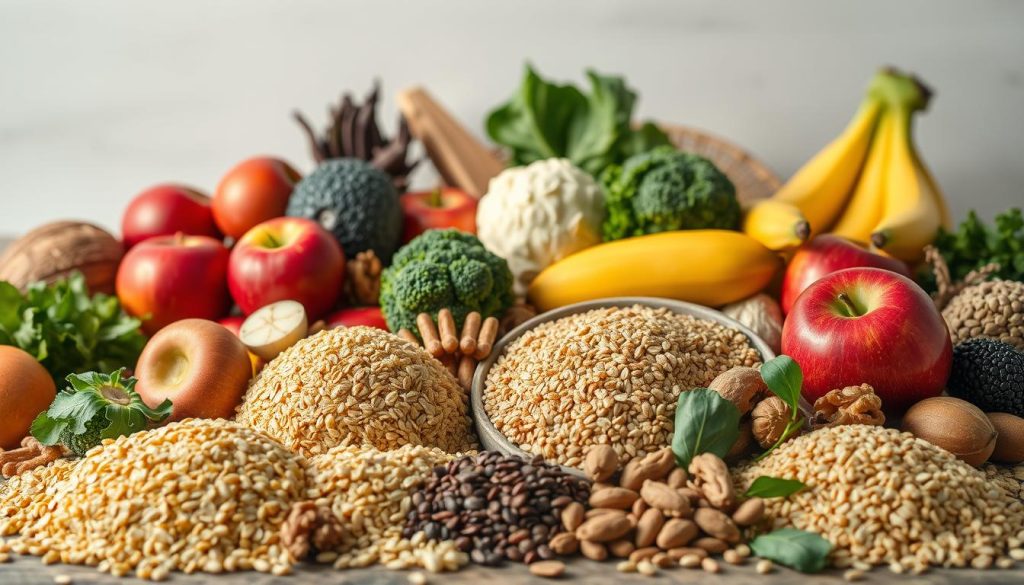
Fiber plays a crucial role in maintaining a healthy digestive system. It helps to regulate bowel movements, prevent constipation, and support the growth of beneficial gut bacteria. Increasing your fiber intake can significantly enhance digestive health.
Top 5 Fiber Sources to Add to Your Diet
- Avocados: Rich in both soluble and insoluble fiber, avocados support healthy digestion and satiety.
- Berries: High in soluble fiber, berries such as blueberries and raspberries are excellent for gut health.
- Legumes: Beans, lentils, and chickpeas are packed with fiber and protein, making them a great addition to meals.
- Whole Grains: Foods like brown rice, quinoa, and whole-wheat bread provide a good source of fiber.
- Leafy Greens: Spinach, kale, and other leafy greens are not only rich in fiber but also in essential vitamins and minerals.
Hydration and Its Impact on Gut Health
Adequate hydration is vital for digestive health. Water helps to dissolve nutrients and soluble fiber, making them more accessible to the body. Proper hydration also prevents constipation by softening stool and promoting regular bowel movements.
Foods to Avoid for Optimal Digestive Function
Just as certain foods can enhance digestion, others can hinder it. It’s essential to be aware of foods that can cause digestive discomfort and limit their consumption.
- Processed Foods: Often high in unhealthy fats, sugar, and salt, processed foods can disrupt gut health.
- Dairy Products (for those with intolerance): For individuals with lactose intolerance, consuming dairy can lead to bloating, gas, and discomfort.
- High-Fat Foods: Fatty foods can slow down digestion, leading to discomfort and potentially exacerbating conditions like acid reflux.
- Carbonated Drinks: Drinks like soda and sparkling water can cause bloating and gas.
By understanding the natural ways to support your digestive system, you can take proactive steps towards achieving optimal digestion and enhancing your overall health.
Lifestyle Changes for Enhanced Digestive Health
Enhancing your digestive health requires a holistic approach that includes lifestyle adjustments. By incorporating simple changes into your daily routine, you can significantly improve your overall well-being.
Stress Management Techniques
Stress can have a profound impact on your digestive system. Chronic stress can lead to issues such as irritable bowel syndrome (IBS) and acid reflux. Effective stress management is crucial for maintaining healthy digestion.
Simple Daily Practices for Reducing Stress
Incorporating simple stress-reducing practices into your daily routine can make a significant difference. Techniques such as deep breathing exercises, meditation, and yoga can help calm the mind and reduce stress levels.
- Deep Breathing Exercises: Practice deep, controlled breathing to calm the nervous system.
- Meditation: Regular meditation can help reduce stress and improve mental clarity.
- Yoga: Engage in yoga practices that combine physical movement with deep breathing techniques.
The Importance of Regular Physical Activity
Regular physical activity is not only beneficial for overall health but also plays a crucial role in maintaining a healthy digestive system. Exercise can help stimulate bowel movements and improve digestion.
Engaging in regular physical activity, such as walking, jogging, or cycling, can help enhance digestive health. Aim for at least 30 minutes of moderate-intensity exercise per day.
Establishing Healthy Eating Habits
Developing healthy eating habits is essential for optimal digestive health. This includes eating a balanced diet rich in fiber, staying hydrated, and avoiding foods that can trigger digestive issues.
Mindful Eating: A Step-by-Step Guide
Mindful eating involves paying full attention to the experience of eating and drinking. It can help improve digestion and reduce symptoms of digestive disorders.
- Start with small portions: Eating smaller portions can help you focus on your food.
- Eliminate distractions: Turn off the TV and put away your phone to avoid distractions.
- Chew slowly: Take your time to chew your food thoroughly, enhancing the digestive process.
By implementing these lifestyle changes, you can significantly enhance your digestive health and overall well-being. Remember, a healthy digestive system is foundational to overall health, and making these changes can have a lasting positive impact.
Probiotics and Digestive Enzymes
A healthy digestive system is foundational to overall health, and incorporating probiotics and digestive enzymes can be highly beneficial. These two elements work synergistically to enhance gut health and improve digestion.
How Probiotics Support Gut Health
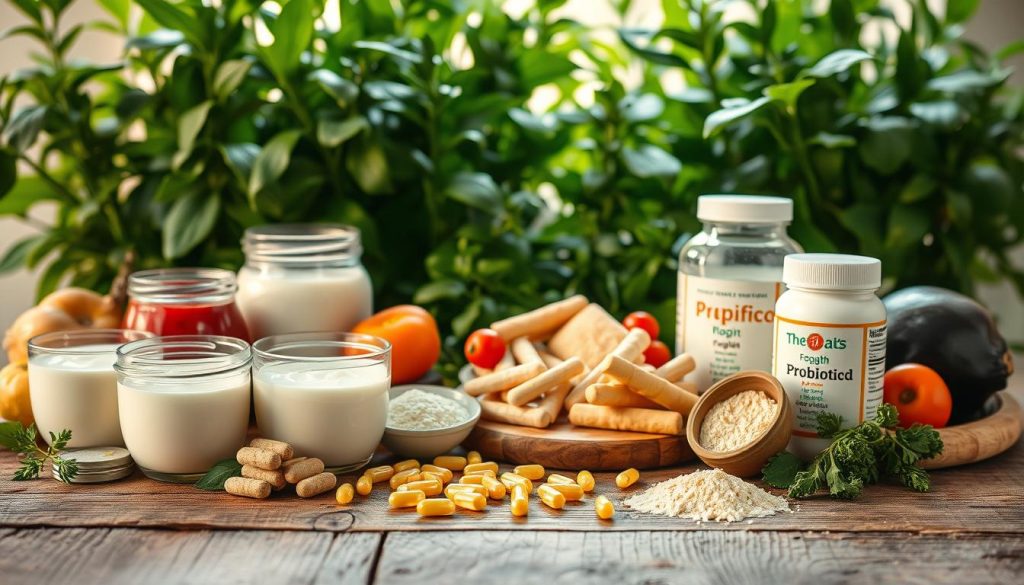
Probiotics are live bacteria and yeasts that are beneficial for you, especially your digestive system. They help maintain the gut’s natural balance, support the immune system, and enhance digestion. Probiotics for digestion can be particularly helpful in alleviating symptoms of irritable bowel syndrome (IBS) and other digestive disorders.
- Enhance nutrient absorption
- Support immune system function
- Produce vitamins
Natural Sources of Probiotics
You can find probiotics in fermented foods, which are not only delicious but also packed with nutrients. Some of the best sources include yogurt, kefir, sauerkraut, and kimchi.
How to Make Homemade Fermented Foods
Making fermented foods at home is simpler than you think. For example, to make sauerkraut, you’ll need cabbage, salt, and water. Shred the cabbage, mix it with salt, and let it ferment in a jar for a few weeks. This process allows the natural bacteria on the cabbage to proliferate, creating a probiotic-rich food.
Digestive Enzymes and When to Use Them
Digestive enzymes are proteins that help break down food into smaller molecules, making it easier for your body to absorb nutrients. They can be particularly helpful for individuals with certain digestive issues, such as pancreatic insufficiency.
- Amylase breaks down carbohydrates
- Protease breaks down proteins
- Lipase breaks down fats
While the body produces digestive enzymes naturally, supplementing with them can be beneficial under certain conditions. Always consult with a healthcare professional before starting any new supplement regimen.
Herbal Remedies and Supplements for Digestive Support
For centuries, herbal remedies have been used to support digestive health and overall well-being. These natural solutions offer a holistic approach to improving digestion, complementing dietary changes and lifestyle adjustments.
Effective Herbs for Digestion
Several herbs are renowned for their digestive benefits. Ginger is a well-known remedy for nausea and indigestion, while peppermint can ease symptoms of IBS. Other beneficial herbs include chamomile, turmeric, and fennel, each offering unique digestive advantages.
How to Prepare Digestive Teas
Preparing digestive teas is a simple and effective way to utilize herbal remedies. To make a tea, steep the chosen herb in boiling water for 5-10 minutes. Strain and drink as needed.
Simple Ginger Tea Recipe for Upset Stomach
To make ginger tea, slice a small piece of fresh ginger and steep it in boiling water. You can add honey or lemon to taste. This soothing tea can help alleviate nausea and discomfort.
- 1-inch piece of fresh ginger
- 1 cup boiling water
- Honey or lemon to taste
Supplement Safety and Recommendations
While herbal remedies and supplements can be beneficial, it’s crucial to consider safety. Always consult with a healthcare professional before adding new supplements to your regimen, especially if you’re pregnant, nursing, or taking medications.
When choosing supplements, look for products from reputable manufacturers that adhere to good manufacturing practices (GMPs). This ensures the quality and purity of the supplement.
Conclusion: Creating Your Personalized Digestive Health Plan
Improving digestive health is a journey that involves making informed choices about the foods you eat, your lifestyle, and how you manage stress. By incorporating gut-friendly foods and practicing optimal digestion practices, you can significantly enhance your digestive system’s function.
To create your personalized digestive health plan, start by assessing your current diet and lifestyle. Incorporate probiotics for digestion and consider herbal supplements for gut health if necessary. Focus on digestive health tips such as eating a balanced diet rich in fiber, staying hydrated, and managing stress.
By following these digestive health tips and being mindful of your overall well-being, you can achieve digestive system support and enjoy a healthier, more balanced life. Take the first step today towards a happier, healthier gut.
FAQ
What are some natural ways to improve digestion?
Incorporating fiber-rich foods, staying hydrated, managing stress, and consuming probiotics are some of the natural ways to improve digestion. Foods high in fiber like whole grains, fruits, and vegetables can help regulate bowel movements and prevent constipation.
How do probiotics support gut health?
Probiotics are beneficial bacteria that help maintain a healthy gut microbiome. They can aid in digestion, reduce symptoms of irritable bowel syndrome (IBS), and boost the immune system. Probiotics can be found in fermented foods like yogurt, kefir, sauerkraut, and kimchi.
What are some signs of poor digestion?
Common signs of poor digestion include bloating, gas, abdominal pain, diarrhea, constipation, and nausea. If you’re experiencing any of these symptoms regularly, it may be a sign that your digestive health needs attention.
How can I manage stress to improve my digestive health?
Stress management techniques like meditation, deep breathing, and yoga can help alleviate stress and promote digestive health. Regular physical activity and getting enough sleep also play a crucial role in managing stress.
Are there any specific foods I should avoid for optimal digestive function?
Yes, certain foods can trigger digestive issues in some individuals. Common culprits include dairy products, gluten, spicy or fatty foods, and high-FODMAP foods. Identifying and avoiding these trigger foods can help improve digestive health.
Can herbal remedies and supplements support digestive health?
Certain herbal remedies like peppermint, ginger, and chamomile can soothe digestive issues. Supplements like probiotics, digestive enzymes, and fiber can also support digestive health. However, it’s essential to consult with a healthcare professional before adding any new supplements to your regimen.
How can I incorporate probiotics into my diet?
You can incorporate probiotics into your diet by consuming fermented foods, taking probiotic supplements, or trying probiotic-rich beverages like kefir. Making homemade fermented foods like sauerkraut or kimchi is also a great way to get probiotics.
What is mindful eating, and how can it improve digestion?
Mindful eating involves paying attention to your hunger and fullness cues, eating slowly, and savoring your food. This practice can help reduce stress, improve digestion, and promote a healthier relationship with food.