
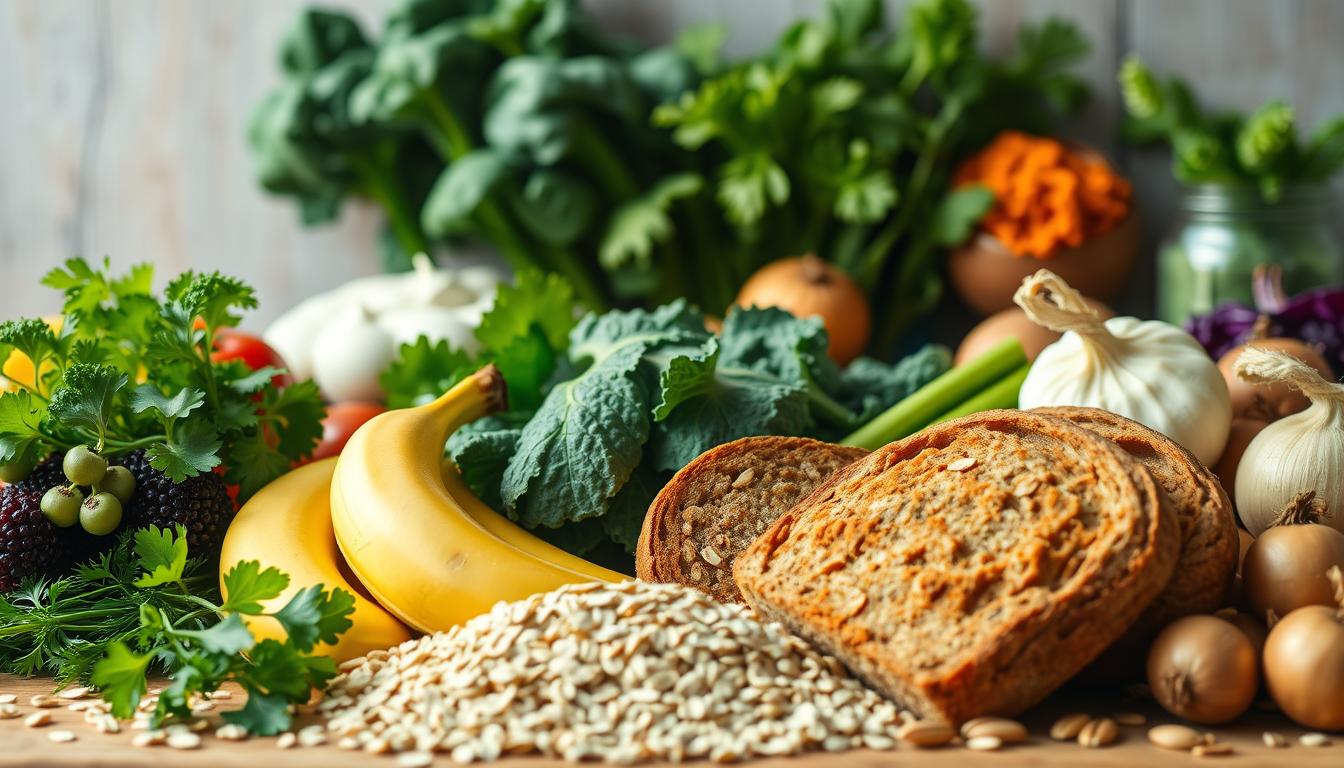
Are you aware of the crucial role your gut plays in your overall well-being? A healthy digestive system is fundamental to a strong immune system, efficient nutrient absorption, and even mental clarity.
Nourishing your gut with the right foods can have a significant impact on your overall health. Prebiotics and gut-friendly foods are essential for maintaining a balanced gut microbiome, which in turn fuels your digestive health.
By incorporating the right foods into your diet, you can support your gut health and enhance your overall wellness. In this article, we will explore the importance of prebiotics and gut-friendly foods in maintaining digestive health.
Key Takeaways
Table of Contents
- Understand the role of prebiotics in supporting gut health
- Discover gut-friendly foods that fuel digestive health
- Learn how a balanced gut microbiome impacts overall wellness
- Explore the connection between digestive health and immune function
- Find out how to incorporate prebiotics and gut-friendly foods into your diet
Understanding the Gut Microbiome and Digestive Health
Understanding the gut microbiome is essential for maintaining digestive health. The gut microbiome refers to the trillions of microorganisms living in your gastrointestinal tract, playing a crucial role in your overall health.
What Makes a Healthy Gut Microbiome
A healthy gut microbiome is characterized by a diverse range of beneficial bacteria. These beneficial microbes help in:
- Breaking down complex foods
- Producing essential vitamins
- Supporting the immune system
Maintaining this balance is crucial, as an imbalance, also known as dysbiosis, can lead to various health issues.
The Connection Between Gut Health and Overall Wellness
The connection between gut health and overall wellness is profound. Research has shown that a healthy gut microbiome is linked to:
- Improved mental health
- Enhanced immune function
- Better digestion and reduced symptoms of irritable bowel syndrome (IBS)
By focusing on maintaining a healthy gut microbiome, individuals can take a significant step towards achieving overall wellness and healthy digestion.
Prebiotics and Gut-Friendly Foods: The Foundation of Digestive Wellness
The foundation of digestive wellness lies in understanding and incorporating prebiotics and gut-friendly foods into your diet. A well-functioning digestive system is crucial for overall health, and prebiotics play a vital role in supporting this.
Defining Prebiotics: Food for Your Good Bacteria
Prebiotics are non-digestible fibers that serve as food for the good bacteria in your gut, promoting a healthy gut microbiome. They are found in various foods, including fiber-rich fruits, vegetables, whole grains, and legumes. By consuming prebiotics, you help stimulate the growth and activity of beneficial bacteria, which is essential for a balanced digestive system.
Prebiotics vs. Probiotics: Understanding the Difference
While both prebiotics and probiotics support gut health, they work in different ways. Probiotics introduce live, beneficial bacteria into your gut, whereas prebiotics provide the necessary nutrients for these bacteria to thrive. Together, they create a symbiotic relationship that enhances digestive wellness.
How These Foods Support Your Digestive System
Prebiotics and gut-friendly foods support your digestive system by enhancing nutrient absorption, improving gut motility, and boosting the immune system. A healthy gut microbiome is also linked to overall well-being, influencing everything from mental health to energy levels.
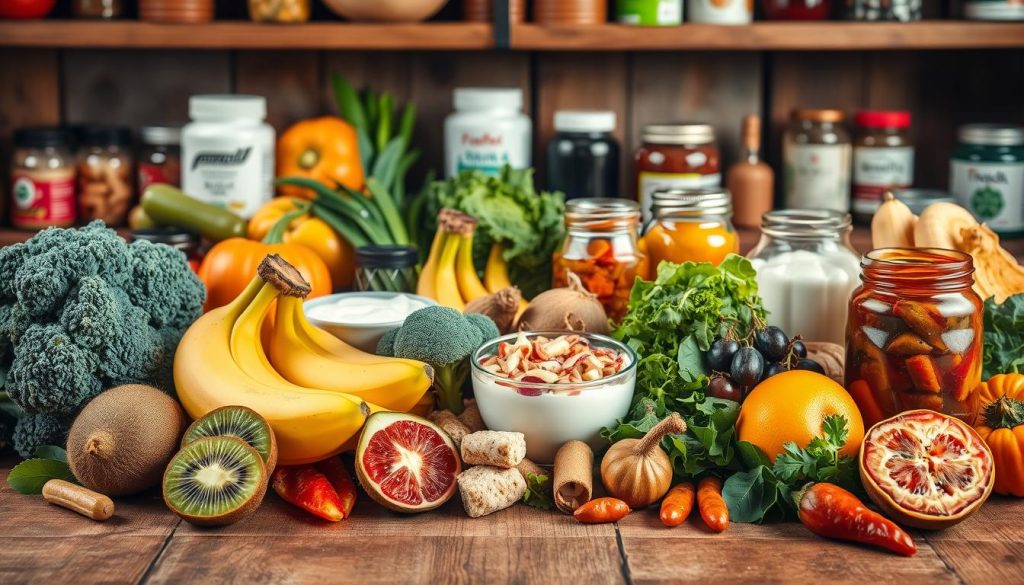
The benefits of prebiotics can be seen in the following table, which highlights their impact on digestive health:
| Benefit | Description |
|---|---|
| Enhanced Nutrient Absorption | Prebiotics help the body absorb essential nutrients more effectively. |
| Improved Gut Motility | Prebiotics aid in regulating bowel movements and preventing constipation. |
| Boosted Immune System | A healthy gut microbiome supported by prebiotics contributes to a stronger immune system. |
By incorporating prebiotics and gut-friendly foods into your diet, you can significantly improve your digestive wellness and overall health.
Top Prebiotic-Rich Foods to Add to Your Shopping List
To nurture your gut microbiome, it’s essential to know the top prebiotic-rich foods to include in your diet. Prebiotic-rich foods are crucial for feeding the good bacteria in your gut, supporting a healthy digestive system. By incorporating these foods into your daily meals, you can enhance your overall gut health and well-being.
Fiber-Rich Fruits and Vegetables
Fiber-rich fruits and vegetables are among the top prebiotic-rich foods. Some of the best options include:
- Apples: Known for their high pectin content, apples are a great source of prebiotic fiber.
- Bananas: Rich in inulin, bananas support the growth of beneficial gut bacteria.
- Onions and garlic: Both are high in inulin and fructooligosaccharides, making them excellent prebiotic foods.
- Asparagus: Contains inulin, which helps feed the good bacteria in your gut.
Whole Grains and Legumes
Whole grains and legumes are not only rich in fiber but also provide essential nutrients. Some key foods include:
- Oats: A great source of beta-glucans, which support gut health.
- Barley: Rich in beta-glucans and other prebiotic fibers.
- Lentils and chickpeas: Both are high in fiber and protein, making them excellent for gut health.
Fermented Foods That Support Gut Health
Fermented foods are rich in probiotics and prebiotics, making them a great addition to your diet. Some examples include:
- Sauerkraut: Rich in vitamins and prebiotic fibers.
- Kimchi: A fermented Korean dish that supports gut health with its probiotic and prebiotic content.
How to Select the Freshest Options
When shopping for prebiotic-rich foods, it’s essential to choose the freshest options. Here are some tips:
- Opt for seasonal fruits and vegetables to ensure freshness and flavor.
- Check the color and texture of produce; vibrant colors and firm textures often indicate freshness.
- For whole grains and legumes, choose options that are stored properly to maintain their nutritional value.
By incorporating these prebiotic-rich foods into your diet, you can take a significant step towards supporting your gut health. Remember, a diverse diet rich in fiber and nutrients is key to a thriving gut microbiome.
Step-by-Step Guide to Incorporating Gut-Friendly Foods into Your Daily Meals
Embracing a gut-friendly diet is a journey that starts with simple, achievable steps. By incorporating prebiotic-rich foods into your meals, you can significantly enhance your digestive wellness.
Breakfast Ideas Rich in Prebiotics
Starting your day with a prebiotic-rich breakfast can set the tone for a healthy digestive system. Consider having oatmeal with sliced bananas or whole-grain toast with almond butter. These options are not only delicious but also packed with fiber that supports your gut microbiome.
Another great option is a smoothie bowl made with prebiotic-rich berries and topped with chia seeds. This meal is both nourishing and easy to digest.
Gut-Friendly Lunch and Dinner Recipes
For lunch and dinner, incorporate whole grains like quinoa and brown rice, and legumes such as lentils and chickpeas into your meals. A hearty lentil soup or a salad with chickpeas and mixed greens can be very satisfying.
Grilled vegetables like asparagus and onions are also rich in prebiotics and can be paired with lean proteins for a balanced meal.
Healthy Snacks That Support Digestive Health
Snacking on raw vegetables with hummus or enjoying a piece of fruit like an apple or banana can provide a quick prebiotic boost.
For a more filling snack, consider energy balls made with oats and nuts. These are not only healthy but also easy to prepare.
Portion Sizes and Timing Recommendations
When incorporating gut-friendly foods, it’s essential to pay attention to portion sizes and meal timing. Aim to include a source of prebiotics in every meal, and adjust portion sizes based on your individual needs.
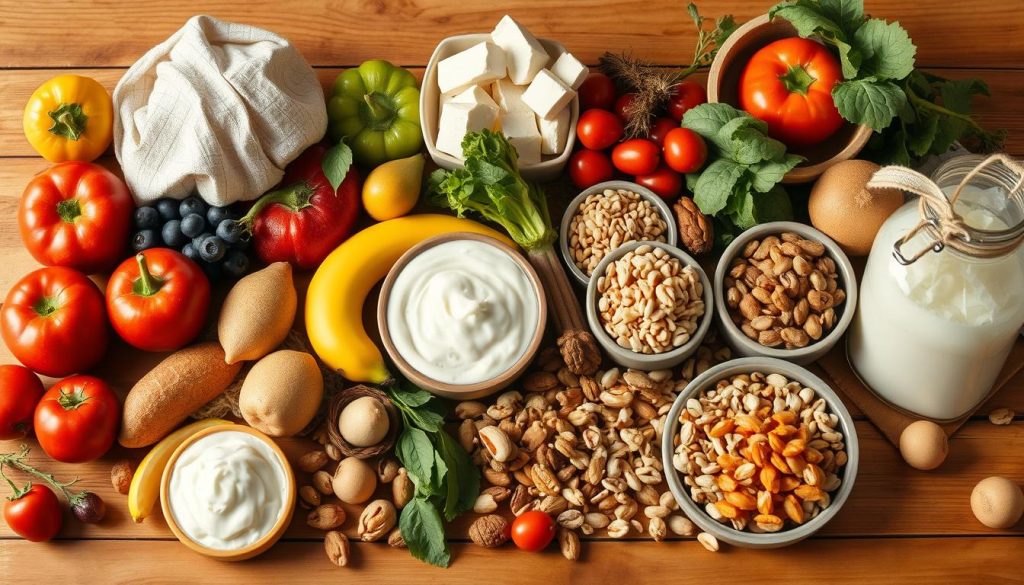
For example, a serving size of legumes might be about 1/2 cup cooked, while for fruits and vegetables, it could be one medium-sized piece or 1 cup raw.
Creating a 7-Day Meal Plan for Optimal Gut Health
Developing a 7-day meal plan tailored to your gut health can be a game-changer for your digestive wellness. A thoughtful meal plan helps ensure you’re consuming the right balance of prebiotics and probiotics to support your gut microbiome.
Combining Prebiotics and Probiotics Effectively
To maximize the benefits, it’s essential to combine prebiotics and probiotics effectively in your diet. Prebiotics serve as food for probiotics, helping them thrive and support a healthy gut. Include prebiotic-rich foods like asparagus, bananas, and onions, alongside probiotic-rich foods such as yogurt, kefir, and fermented vegetables.
Sample Meal Plans with Shopping Lists
A sample 7-day meal plan might include breakfast options like oatmeal with banana and almond milk, lunches such as salads with chickpeas and fermented veggies, and dinners featuring roasted vegetables and quinoa. Here’s a simple shopping list to get you started:
- Fruits: bananas, apples
- Vegetables: asparagus, onions, leafy greens
- Grains: oatmeal, quinoa
- Probiotic-rich foods: yogurt, kefir, sauerkraut
Tips for Meal Prepping Gut-Friendly Foods
Meal prepping can make maintaining a gut-friendly diet much easier. Prepare large batches of grains, roast a variety of vegetables, and portion out snacks like fruits and nuts. Store them in airtight containers for easy access throughout the week.
Overcoming Challenges When Introducing Prebiotic Foods
Introducing prebiotic-rich foods into your diet can be a game-changer for your gut health, but it’s not without its challenges. As you begin this journey, understanding how to manage potential issues is key to a successful transition.
Managing Initial Digestive Discomfort
Some individuals may experience initial digestive discomfort, such as bloating or gas, when they start consuming prebiotic foods. This is often due to the sudden change in gut bacteria activity. To mitigate this, it’s recommended to start with small amounts and gradually increase the intake, allowing your gut microbiome to adjust.
Gradually Increasing Fiber Intake
A sudden surge in fiber consumption can lead to discomfort. Gradually increasing your fiber intake gives your digestive system time to adapt, reducing the likelihood of adverse effects. Table 1 provides a sample gradual increase plan.
| Day | Fiber Intake (grams) |
|---|---|
| 1-3 | 5 |
| 4-7 | 10 |
| 8-14 | 15 |
Addressing Picky Eaters and Food Preferences
For those with picky eaters or specific food preferences, incorporating prebiotic foods can be challenging. Exploring various recipes and preparation methods can make these foods more appealing. For example, adding prebiotic-rich ingredients to familiar dishes can be a good starting point.
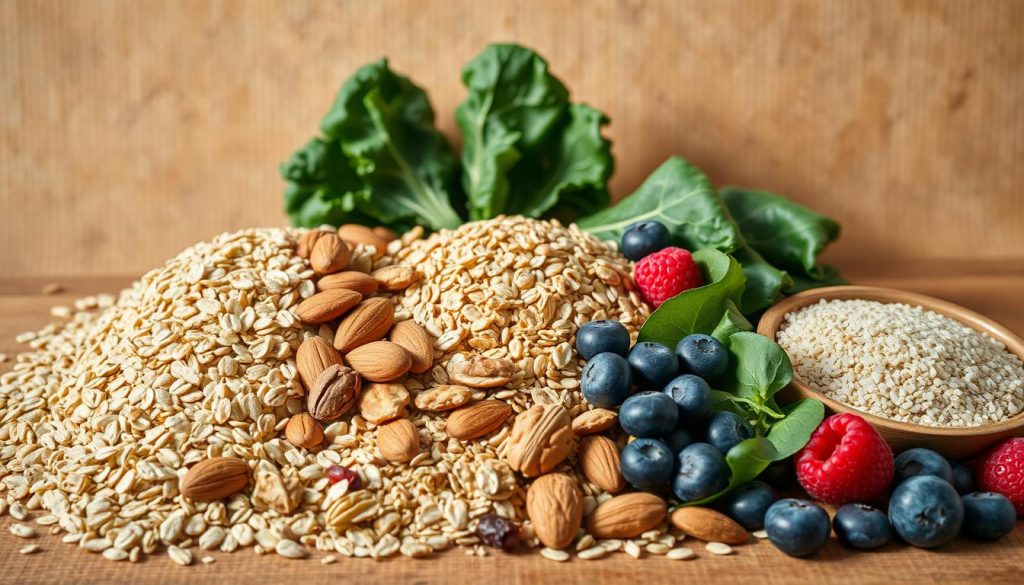
Conclusion: Nurturing Your Gut for Long-Term Health
Nurturing your gut health is a vital step towards achieving long-term overall health. By incorporating prebiotics and gut-friendly foods into your diet, you can promote a healthy gut microbiome, boosting your overall well-being.
A healthy gut microbiome plays a crucial role in maintaining a strong immune system, regulating digestion, and even supporting mental health. By making informed food choices, you can take control of your gut health and reap the benefits of a balanced digestive system.
Promoting gut health is a long-term investment in your overall health. By combining prebiotics and probiotics effectively, you can create a robust and resilient gut microbiome that supports your overall well-being. Start your journey towards optimal gut health today by incorporating gut-friendly foods into your daily meals.
FAQ
What are prebiotics and how do they support gut health?
Prebiotics are non-digestible fibers that serve as food for good bacteria in the gut, promoting a healthy gut microbiome and supporting digestive wellness.
How do prebiotics differ from probiotics?
Prebiotics are non-digestible fibers that feed good bacteria, while probiotics are live bacteria and yeasts that are beneficial for gut health. Both work together to support a healthy gut microbiome.
What are some common prebiotic-rich foods?
Prebiotic-rich foods include fiber-rich fruits and vegetables, whole grains, legumes, and fermented foods like asparagus, bananas, onions, garlic, whole wheat bread, and oats.
Can prebiotics help with nutrient absorption?
Yes, prebiotics can enhance nutrient absorption by promoting a healthy gut microbiome, which is essential for optimal nutrient uptake.
How can I incorporate prebiotic-rich foods into my diet?
You can add prebiotic-rich foods to your diet by including fiber-rich fruits and vegetables, whole grains, and legumes in your meals, and by trying gut-friendly recipes and meal plans.
What are some tips for managing initial digestive discomfort when introducing prebiotic foods?
To manage initial digestive discomfort, start with small portions, gradually increase your fiber intake, and drink plenty of water to help your body adjust.
Can prebiotics help with digestive issues like bloating and constipation?
Yes, prebiotics can help alleviate digestive issues like bloating and constipation by promoting a healthy gut microbiome and regulating bowel movements.
How do I know if I’m getting enough prebiotics in my diet?
You can ensure you’re getting enough prebiotics by consuming a variety of fiber-rich foods, whole grains, and legumes, and by considering a prebiotic supplement if needed.